Taping has gained attention as a popular method for pain relief, especially among athletes and physiotherapists. But why does taping help with pain relief? This question leads us into the fascinating world of kinesiology and therapeutic techniques. Taping provides structural support while allowing for movement, thereby helping reduce pain and improve performance.
Many athletes rely on taping to alleviate discomfort from injuries or overuse. The application of tape creates sensory feedback for the body. The pressure and support from the tape can lead to reduced swelling and increased blood flow to the affected areas. This process aids in healing and offers immediate relief.
However, it’s essential to recognize that not all taping techniques are equally effective for everyone. Individual differences in anatomy and injury type can influence outcomes. Thus, exploring the science behind taping reveals both its benefits and limitations. Understanding why taping helps with pain relief allows for better application in therapeutic settings, leading to improved patient experiences and recovery times.
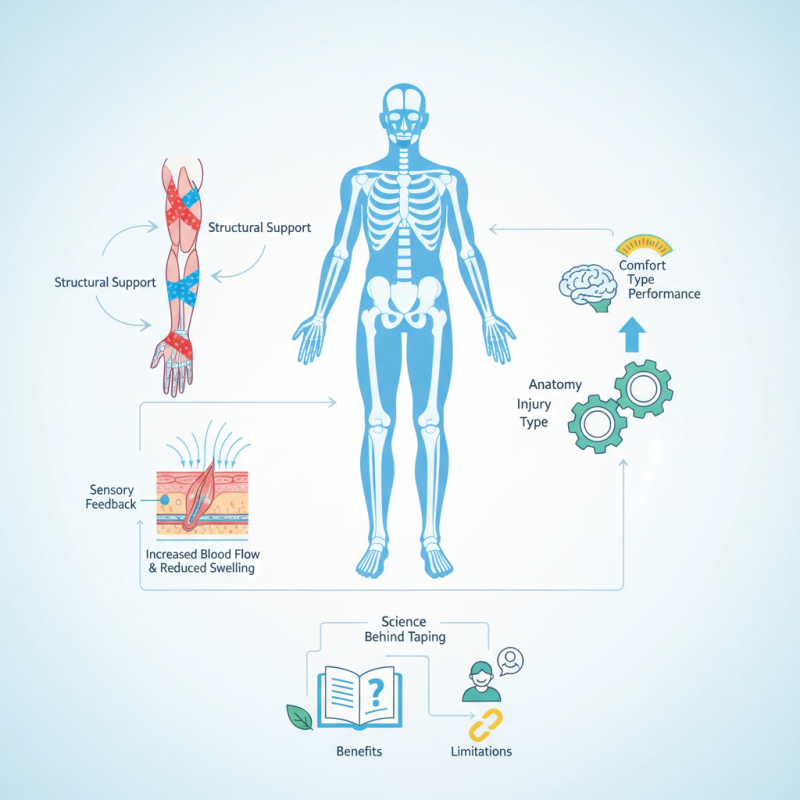
Taping is widely used in both sports and rehabilitation settings. It helps to alleviate pain effectively. The mechanism behind its pain-relieving properties lies in several factors.
First, taping provides mechanical support to injured areas. This can reduce strain on muscles and ligaments. When tape is applied, it can influence the way the body moves. Enhanced stability can lead to improved function. Furthermore, the pressure from the tape can stimulate sensory receptors in the skin. This stimulation may block pain signals from reaching the brain.
Taping is a versatile method in pain management. Different types of tapes serve distinct purposes. Kinesiology tape is popular. It is stretchy and allows for a full range of motion. This tape can help reduce swelling and improve circulation. It’s often used in sports medicine.
Rigid tape is another option. It provides strong support. This type limits movement to protect injured areas. Athletes commonly use it for sprains and strains. The firmness of rigid tape can create a sense of security during recovery.
Another evolving type is elastic therapeutic tape. It combines the benefits of kinesiology and rigid tape. This tape allows movement but still provides support. Its design can promote healing while alleviating discomfort. Understanding these varieties can enhance pain management approaches. Each tape type has its strengths and limitations, making it essential to choose appropriately.
| Type of Tape | Description | Common Uses | Effect on Pain Relief |
|---|---|---|---|
| Kinesiology Tape | Elastic cotton strip with an acrylic adhesive. | Sports injuries, rehabilitation. | Facilitates lymphatic drainage and reduces pain. |
| Rigid Tape | Non-elastic tape made of cotton and zinc oxide. | Injury prevention, support fractures. | Provides support and restricts movement to alleviate pain. |
| Compression Tape | Elastic tape that provides compression without restricting blood flow. | Swelling management, muscle strain. | Helps reduce swelling and provide support. |
| Elastic Adhesive Bandage | Stretchable bandage that sticks to itself. | Minor injuries, securing dressings. | Facilitates movement while providing mild support. |
| Cohesive Bandage | Self-adherent bandage that sticks to itself. | Wraps, securing dressings, support. | Provides support without constricting circulation. |
Taping has become a popular method for pain relief among athletes and physical therapy patients. The physiological effects of taping on muscles and joints are intriguing. When applied correctly, the tape can provide support and stabilize the affected area without restricting movement.
One key aspect is how taping alters the sensory perception of pain. The tape lifts the skin slightly, creating more space between the skin and underlying tissues. This can reduce inflammation and swelling in the region. Additionally, it may improve blood flow to the injured area, accelerating healing. Many patients report feeling less pain and increased mobility after taping.
Moreover, taping can influence muscle activation patterns. It may help re-educate muscles that have been weakened or inhibited due to injury. Yet, the effectiveness of taping can vary. Some individuals may not experience significant relief. This raises questions about the placebo effect versus the actual physiological benefits. Evaluating the outcomes for each person is essential to understand its true impact.
Taping plays a crucial role in injury prevention and rehabilitation. When applied correctly, it provides support to muscles and joints. This support helps reduce the risk of further injury during physical activities. Athletes often rely on taping as a proactive measure. It allows them to train with confidence while managing potential risks.
In rehabilitation, taping serves multiple purposes. It aids in pain management and ensures that appropriate movement patterns are followed. Proper taping techniques can help guide injured areas to promote healing. However, the effectiveness of taping largely depends on the individual’s condition and the experience of the practitioner. In some cases, poorly applied tape can hinder mobility and create discomfort.
Although taping can enhance recovery, it is not a one-size-fits-all solution. Some people may find it uncomfortable or restrictive. Others may require different approaches to rehabilitation. It's important to evaluate each case individually. Consulting with knowledgeable professionals is essential for effective taping techniques and optimal recovery.
Taping techniques have gained traction in clinical settings for pain management. Studies show these methods can significantly alleviate discomfort in diverse conditions. The science behind taping lies in its ability to support muscles and joints while allowing for natural movement. This balance may enhance recovery and reduce pain perception during physical activities.
Clinical trials support the efficacy of taping techniques across various populations, including athletes and those with chronic pain. For instance, research indicates that patients report less pain and improved function after using tape on affected areas. The tactile feedback from the tape may enhance neuromuscular control, which contributes to less pain during movements. However, not every person responds equally well to taping. Some individuals may find it uncomfortable or notice no tangible benefits.
Exploring the nuances of taping reveals the importance of proper application. Adequate training and understanding of the techniques are critical for achieving optimal results. While some claim success, others may experience frustration. This inconsistency invites further exploration into personalized approaches. Clinicians often emphasize the importance of combining taping with other therapeutic modalities for the best outcomes.
This chart illustrates the percentage of patients reporting pain relief after using different taping techniques based on clinical evidence.
: Kinesiology tape helps reduce swelling and improve circulation. It allows full movement, making it popular in sports medicine.
Rigid tape provides strong support. It limits movement to protect injured areas, often used for sprains and strains.
Elastic therapeutic tape combines features of both kinesiology and rigid tape. It allows movement while providing necessary support.
Taping lifts the skin, creating space that may reduce inflammation. Many experience less pain and greater mobility.
Yes, taping can help re-educate weakened muscles due to injuries. It's important to assess individual results.
No, effectiveness can vary. Some may not feel significant relief, raising questions about placebo effects.
Proper application is key. Incorrect usage may lead to limited benefits, so training is often recommended.
Yes, it can improve blood flow, potentially accelerating healing. Yet, results are not guaranteed for everyone.
Taping can be part of a broader treatment plan. It shouldn't replace professional medical advice or therapy.
Each tape type has strengths but also limitations. Understanding these can enhance pain management strategies.
Taping has gained popularity in pain management, raising the question of why does taping help with pain relief. Understanding the mechanism behind this technique reveals that taping can alter the perception of pain and provide support to affected areas. Various types of tapes, including kinesiology tape, are utilized for their unique properties that enhance stability and mobility in muscles and joints.
The physiological effects of taping on muscles include improved blood circulation, reduced swelling, and enhanced proprioception, which all contribute to pain alleviation. Additionally, taping plays a significant role in injury prevention and rehabilitation by providing support during physical activities and facilitating recovery. Clinical evidence has further substantiated the efficacy of taping techniques, making it a valuable tool in both therapeutic and athletic settings. Through these mechanisms, taping emerges as a compelling method for individuals seeking effective pain relief.